
Flu and COVID-19 Vaccines for 2026-27: Answers for I/DD Agency Teams
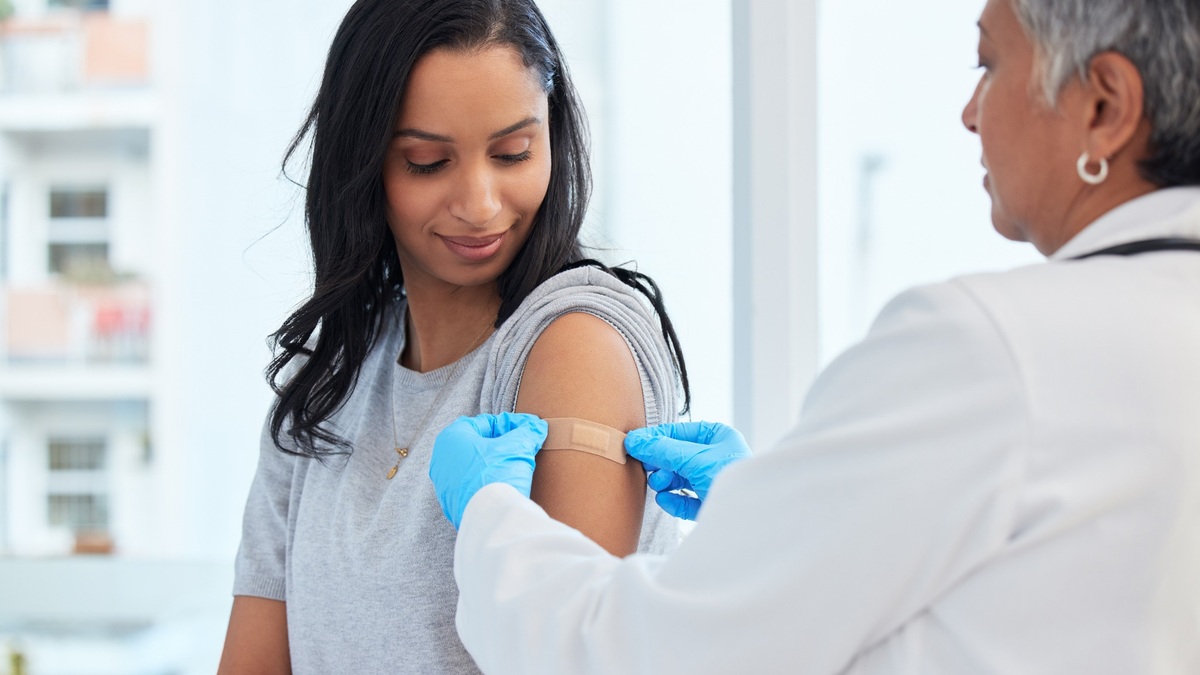
For the 2026-27 season, the CDC says most people who need one flu dose should ideally get it in September or October. CDC also says vaccination should continue for as long as flu viruses are circulating. Every flu vaccine sold in the U.S. this season is trivalent. CDC's September 23, 2026 guidance recommends a 2026-27 COVID-19 vaccine for all adults 18 and older, and the New York State Department of Health says the two shots can safely be given at the same time. The answers below cover the questions agency nurses, house managers and direct support professionals ask most often, and each one points to the CDC or NYS DOH source behind it.
Flu Vaccine Timing Favors September and October, but Later Still Counts
CDC's Interim Clinical Considerations for the 2026-27 season, published September 1, 2026, say that for most people who need only one dose, vaccination “should ideally be offered during September or October.” CDC does not recommend vaccinating most groups in July or August because protection may wane over the season, particularly in older adults.
Missing October does not mean waiting until next year. CDC states that vaccination should continue after October and through the season as long as flu viruses are circulating and unexpired vaccine is on hand. NYS DOH's October 9, 2026 press release states that “influenza season usually runs October through May and typically peaks between December and February.”
Every 2026-27 Flu Vaccine Is Trivalent and Fully Updated
All U.S. flu vaccines this season protect against three viruses: influenza A(H1N1), influenza A(H3N2), and influenza B/Victoria. CDC's 2026-2027 Flu Season page reports that the FDA updated all three components on March 13, 2026, compared with last season's vaccines. That includes “a change to protect against the influenza A(H3N2) subclade K virus that spread widely during the 2025-2026 season.” CDC also projects that manufacturers will produce as many as 135 million doses for the U.S. this season, all of them trivalent, and the same CDC page (updated September 29, 2026) states that “27% of the United States flu vaccine supply for the 2026-2027 season will be non-egg based,” while 99% of the projected supply does not contain thimerosal as a preservative.
Adults 65 and Older Have Three Preferred Flu Vaccine Options
For adults 65 and older, CDC preferentially recommends three vaccines: high-dose inactivated vaccine (Fluzone High-Dose), recombinant vaccine (Flublok), and adjuvanted inactivated vaccine (Fluad). If none of those is available at the visit, CDC says any other age-appropriate flu vaccine should be given rather than waiting. CDC does not prefer one vaccine over another for people under 65.
A Second Flu Dose Is Only for Some Young Children
CDC does not recommend a “booster” flu dose for anyone already fully vaccinated for the season, no matter when they got their shot. The exception is children 6 months through 8 years who have not previously had at least two flu vaccine doses, or whose history is unknown. These children need two doses given at least four weeks apart. CDC advises giving the first dose as early as possible so the second can ideally be given by the end of October.
Egg Allergy Does Not Rule Out Any Flu Vaccine
CDC states that people 6 months and older with an egg allergy may receive any flu vaccine, egg-based or not, that is otherwise appropriate for their age and health. CDC adds that egg allergy alone calls for no extra safety measures beyond those used for every vaccine recipient.
CDC Recommends the 2026-27 COVID-19 Vaccine for All Adults
CDC's September 23, 2026 Interim Clinical Considerations recommend a 2026-27 COVID-19 vaccine for all adults 18 and older. For children 6 months through 17 years, CDC recommends it for those who are moderately or severely immunocompromised and uses shared clinical decision-making for all other children. In that same September 23, 2026 guidance, CDC states: “Because of legal uncertainties and inquiries, the CDC states the recommendations for COVID-19 vaccination from the July 2025 immunization schedule remain in effect for the 2026-2027 respiratory illness season.”
For agencies, one line in CDC's guidance applies directly to group homes: “some people may be at increased risk for SARS-CoV-2 infection including healthcare workers and residents and employees in long-term care facilities and other residential congregate settings.” CDC's schedule for adults 65 and older lists two 2026-27 doses about six months apart, and the agency notes that the second dose is off-label.
Anyone who recently had COVID-19 may consider delaying the vaccine by up to three months from symptom onset, or from a positive test if they had no symptoms, according to CDC's interim clinical considerations. A person's own risk of severe illness should weigh into that choice.
Flu and COVID-19 Vaccines Can Be Given at the Same Visit
In its October 9, 2026 press release, the New York State Department of Health stated: “It is safe to get both the flu and COVID vaccines at the same time.” (NYS DOH, health.ny.gov, October 9, 2026)
CDC's coadministration guidance says vaccines given by needle at the same visit should go in separate places on the body, at least one inch apart. Adults can get them in the same arm or in different arms. CDC also advises giving high-dose or adjuvanted flu vaccines in a different limb from other vaccines when possible, and says there is no recommended waiting time if someone prefers separate visits.
Most New Yorkers Can Get These Vaccines Without Cost-Sharing
NYS DOH's October 9, 2026 press release states that “under the Affordable Care Act, most private health insurance, Medicare and Medicaid plans cover influenza, COVID and RSV vaccines without cost-sharing when received at an in-network provider or pharmacy.” People without coverage can get the shots free through community health centers or local health departments that take part in the state's Vaccines for Adults program.
Hudson Regional's Pharmacy Team Can Help With Vaccine Questions
Each person's physician should guide their vaccine plan, and our pharmacists are glad to help nurses and house managers sort through product, timing or medication questions. For New York's 2026-27 school immunization rules and the state-endorsed respiratory vaccine recommendations, see our September post, “New York School Immunization Requirements for 2026-27 and Fall Vaccine Guidance for I/DD Agencies.” Reach Hudson Regional LTC Pharmacy at 845-341-2700 or info@hrltcp.org, or visit us at 280 Rte 211 E, Suite 112, Middletown, NY 10940.
Frequently Asked Questions
When should people get the 2026-27 flu vaccine?
CDC says September or October is ideal for most people who need one dose. Vaccination should continue throughout the season as long as flu viruses are circulating.
Are 2026-27 flu vaccines trivalent?
Yes. Every U.S. flu vaccine this season protects against influenza A(H1N1), A(H3N2), and B/Victoria, and all three components were updated from last season.
Do adults need a flu booster this season?
No. CDC does not recommend a second dose for people already fully vaccinated. Some children 6 months through 8 years need two doses at least four weeks apart.
Which flu vaccine does CDC prefer for adults 65 and older?
CDC prefers high-dose, recombinant, or adjuvanted flu vaccine for this age group. If none is available, any age-appropriate flu vaccine should be given.
Can someone with an egg allergy get a flu shot?
Yes. CDC says people with egg allergy can receive any flu vaccine appropriate for their age and health, with no extra precautions.
Who should get the 2026-27 COVID-19 vaccine?
CDC recommends it for all adults 18 and older and for children 6 months through 17 years who are moderately or severely immunocompromised. Other children follow shared clinical decision-making.
Can flu and COVID-19 vaccines be given on the same day?
Yes. NYS DOH says it is safe to get both at the same time, and CDC advises separate injection sites at least one inch apart.
How long should someone wait after having COVID-19 to get vaccinated?
CDC says people who recently had COVID-19 may consider delaying their dose by up to three months.