Poor Air Quality Days: How Caregivers Can Protect People with Respiratory Conditions
Late summer can bring stretches of poor air quality from ozone or drifting wildfire smoke, and people with asthma, COPD, or other respiratory conditions are especially sensitive to these shifts. For agencies supporting people with intellectual and developmental disabilities, four steps help: checking the Air Quality Index before outdoor plans, moving activities inside on alert days, keeping rescue inhalers close, and watching for breathing symptoms. This guide walks through each one.
Ozone and Wildfire Smoke
Late summer can bring stretches of poor air quality from ozone or drifting wildfire smoke.
Individuals at Higher Risk
Individuals with asthma, COPD, or other respiratory conditions are especially sensitive to changes in air quality.
Checking the Air Quality Index
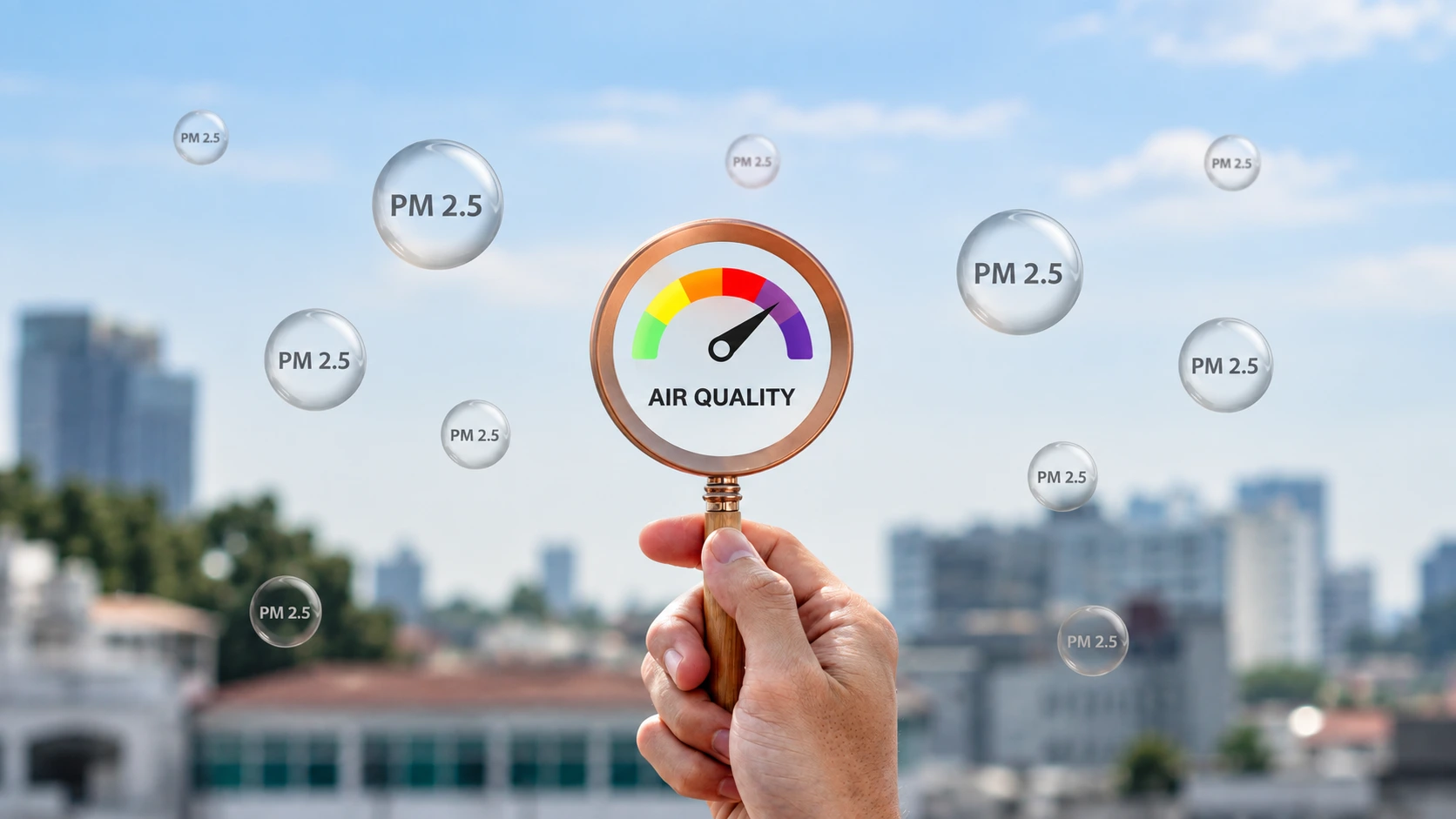
Check local Air Quality Index (AQI) readings at airnow.gov before planning outdoor activities. AirNow is run by the U.S. Environmental Protection Agency and its partners, and it reports the AQI using a color scale. According to AirNow, the AQI categories are:
- Green (0 to 50): Good
- Yellow (51 to 100): Moderate
- Orange (101 to 150): Unhealthy for Sensitive Groups
- Red (151 to 200): Unhealthy
- Purple (201 to 300): Very Unhealthy
- Maroon (301 and higher): Hazardous
Orange and Red Alert Days
On orange or red alert days, move activities indoors when possible. According to AirNow, orange days are unhealthy for sensitive groups, which includes people with lung disease. On red days, some members of the general public may feel health effects, and sensitive groups may experience more serious ones.
Keeping Respiratory Medications Close
Keep rescue inhalers and prescribed respiratory medications accessible.
If you have questions about a person's respiratory medications, Hudson Regional LTC Pharmacy's team is happy to help.
Symptoms to Watch For
Watch for coughing, wheezing, or shortness of breath, and notify the RN promptly if any of these appear.
Resources for Agencies
OPWDD's Bureau of Nursing and Health Services is available for summer health and safety questions at nursingandhealthservices@opwdd.ny.gov. For medication-related questions, contact Hudson Regional LTC Pharmacy at info@hrltcp.org or 845-341-2700.
Frequently Asked Questions
How can I check today's air quality?
Check local Air Quality Index readings at airnow.gov before planning outdoor activities.
What does an orange air quality alert mean?
According to AirNow, orange (AQI 101 to 150) means the air is unhealthy for sensitive groups, which includes people with lung disease.
Should people with asthma stay indoors on poor air quality days?
On orange or red alert days, move activities indoors when possible, and keep rescue inhalers and prescribed respiratory medications accessible.
What breathing symptoms should caregivers watch for?
Watch for coughing, wheezing, or shortness of breath, and notify the RN promptly.