
Summer Cookout Food Safety: Protecting Vulnerable Individuals from Foodborne Illness
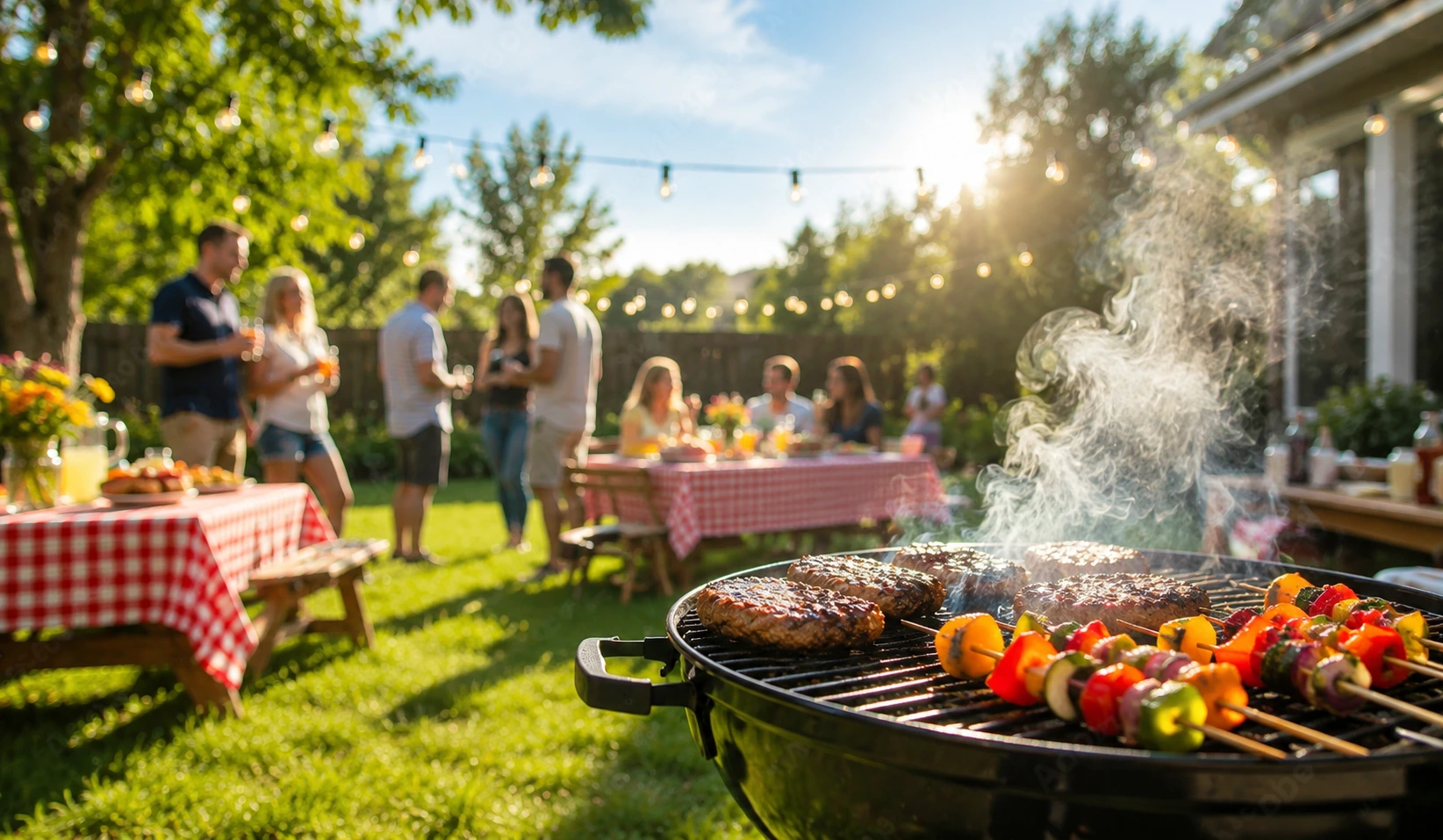
On a hot day, food left unrefrigerated can become unsafe in as little as one hour instead of the usual two. The core protections are simple: keep hand-washing supplies accessible, separate raw proteins from ready-to-eat food completely, use coolers consistently rather than leaving dishes out on the table, and when in doubt about how long something has sat out, throw it out.
Outdoor meals are one of the genuine pleasures of summer for the individuals your agency supports. Cookouts, picnics, and barbecues are the kind of community moments everyone looks forward to. They're also a season where the margin for error on food safety narrows fast, particularly for people who may not be able to describe early symptoms of illness or who have underlying health conditions that make foodborne illness more dangerous.
Why Summer Heat Changes the Rules
Bacteria multiply quickly in warm conditions. According to the CDC, foodborne illness sickens an estimated 48 million people in the U.S. every year, with roughly 128,000 hospitalizations and 3,000 deaths tied to those illnesses. Those numbers hold across all seasons, but summer heat accelerates the timeline. Food that looks and smells perfectly fine at noon can become genuinely unsafe by early afternoon, well before anyone would think to question it.
That compressed timeline is the single biggest thing to communicate to staff running a cookout or outdoor meal: the usual “it's only been out a couple hours” instinct doesn't hold on a 90-degree day.
The Four Practices That Matter Most
1. Keep hand-washing supplies within reach. Outdoor settings don't always have a sink nearby, which makes it easy to skip hand-washing between tasks: handling raw meat, then serving, then helping someone eat. Bring hand sanitizer or a portable wash station and treat it as non-negotiable, not a nice-to-have.
2. Separate raw proteins from ready-to-eat food completely. This means separate cutting boards, separate serving utensils, and separate storage, not just “far apart on the same table.” Cross-contamination is one of the most common and most preventable causes of foodborne illness at outdoor events.
3. Use coolers consistently, not intermittently. A cooler that's opened and closed all afternoon, sitting in direct sun, loses its protective value fast. Keep coolers in shade, keep the lid closed between uses, and separate the cooler holding raw meat from the one holding salads, dairy, or anything ready to eat.
4. When in doubt, throw it out. This is the rule that gets overridden most often, usually because no one wants to waste food, or because a dish still looks fine. On a hot day, appearance is not a reliable indicator of safety. If a dish has been sitting unrefrigerated for an hour or more in the heat, it goes in the trash, not back on the table.
Grill Safety Belongs in the Same Conversation
Grilling is one of summer's great pleasures, but it comes with its own set of risks that deserve attention before the first burger hits the grate. Equipment should be checked before every use, including hoses, connections, and propane levels. OPWDD's General Grilling Safety Alert, available at opwdd.ny.gov, is worth a quick review with any staff member who will be operating a grill this season, particularly if they haven't run through it before.
Why This Matters More for the People You Support
For individuals with certain health conditions or communication differences, the usual early warning signs of foodborne illness (nausea, stomach discomfort, mild fatigue) may go unreported or unnoticed until symptoms have already progressed. That reality shifts the responsibility toward prevention rather than early detection. The safest approach is one where staff never have to rely on someone accurately reporting “I don't feel right” as the first line of defense.
Know allergy histories before any outdoor meal, and make sure any prescribed emergency medications, including epinephrine if applicable, are on hand and accessible, not left back at home.
A Simple Pre-Event Checklist
- Coolers packed and placed in shade, separated by raw vs. ready-to-eat contents
- Hand-washing supplies (sink access or sanitizer) confirmed on-site
- Grill inspected before use, per OPWDD's grilling safety guidance
- Allergy histories reviewed and emergency medications packed
- A clear staff understanding of the “one hour in the heat” rule for unrefrigerated food
Frequently Asked Questions
How long can food safely sit out at a summer cookout?
On a hot day, unrefrigerated food can become unsafe in as little as one hour, much faster than the general two-hour guideline that applies in cooler conditions. When in doubt about how long a dish has been out, discard it.
What's the most common food safety mistake at outdoor events?
Cross-contamination between raw proteins and ready-to-eat food is one of the most frequent causes, often from shared cutting boards, utensils, or serving surfaces rather than separate ones.
Where can staff find grilling safety guidance?
OPWDD's General Grilling Safety Alert is available at opwdd.ny.gov and is a useful review for any staff member operating a grill this season.
Why does foodborne illness carry extra risk for individuals with I/DD?
Communication differences can delay recognition of early symptoms, which means prevention, not early detection, has to carry more of the weight. Building safe food-handling practices into the event itself reduces reliance on someone reporting that something feels wrong.