
Beyond Lyme: What ID/DD Agencies Should Know About Babesiosis and Powassan
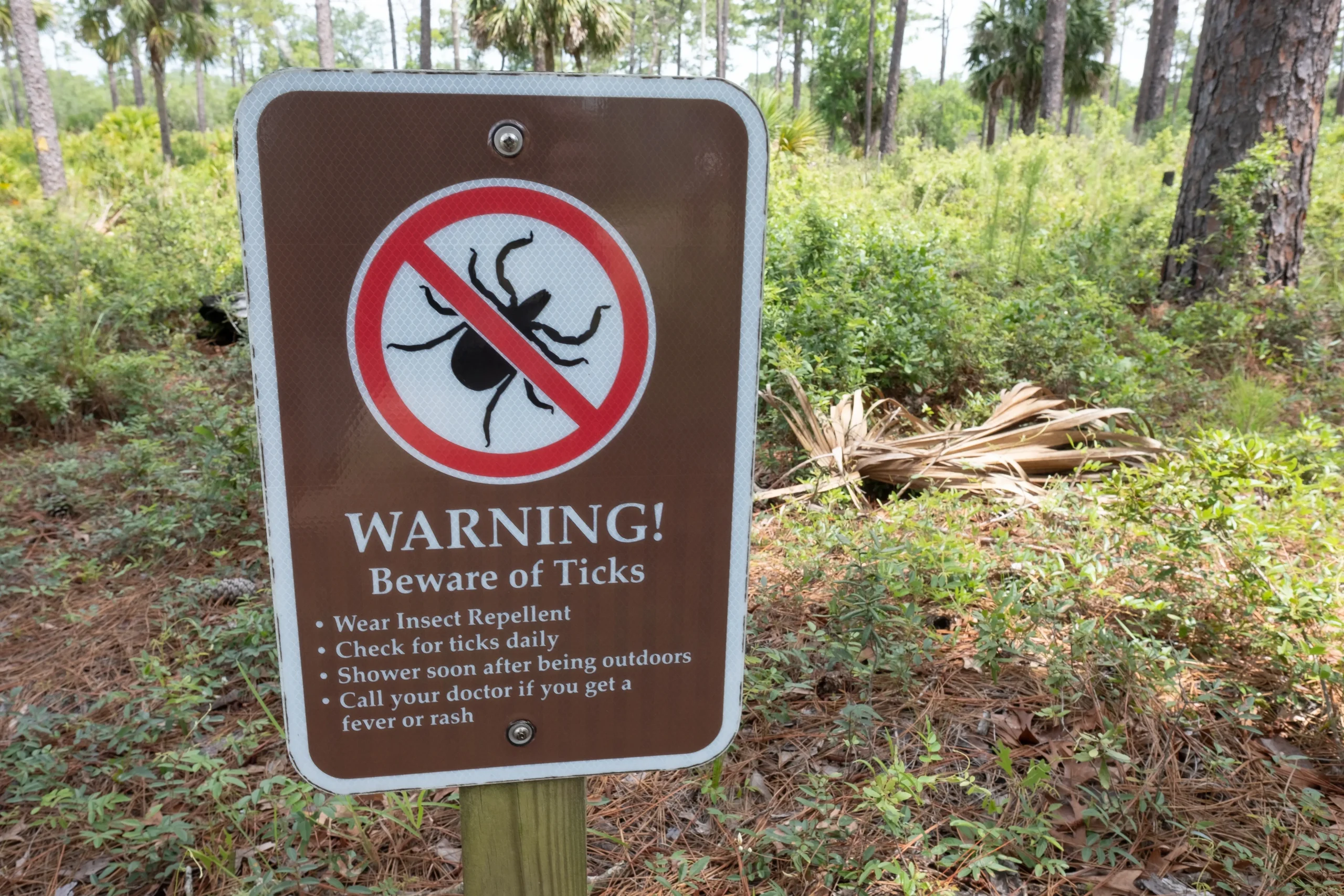
For years, the tick conversation in the Northeast was about Lyme disease and not much else. That is no longer the case. Babesiosis and Powassan virus, once considered uncommon, are showing up more often and in more places. For ID/DD residential settings where individuals enjoy hikes, day programs, and outdoor recreation, prevention is the entire game. There is no Powassan vaccine, no specific treatment, and the attachment window for transmission can be as short as fifteen minutes.
Key Takeaways
- Babesiosis is a tick-borne parasitic illness that has climbed sharply across the Northeast over the last decade.
- Powassan virus can transmit in as little as fifteen minutes of tick attachment, far faster than Lyme.
- Prevention is the only durable defense, since there is no vaccine or specific treatment for Powassan.
- Caregivers should document every tick bite and watch for fever, headache, body aches, or unexplained behavioral changes.
What is babesiosis, and who is most at risk?
Babesiosis is caused by tiny parasites that infect red blood cells, spread by the same deer ticks that carry Lyme. Symptoms range from mild flu-like illness to serious complications. The most vulnerable populations are older adults and people with weakened immune systems, which means ID/DD residences serving older individuals or those with co-occurring medical conditions need to take it seriously.
Case counts have climbed sharply across the Northeast over the last decade. The same tick bite that has long been a Lyme concern can now also transmit babesiosis, and the two illnesses sometimes occur together.
Why does Powassan virus deserve attention now?
Powassan is rarer than Lyme or babesiosis, but it is far more serious and transmits much faster. A Lyme infection typically requires hours of tick attachment. Powassan can pass in as little as fifteen minutes. Most infections cause no symptoms, but severe cases can lead to brain inflammation with lasting neurological effects.
There is no Powassan vaccine. There is no specific antiviral treatment. That combination is what makes prevention so important for residential settings, where a single tick bite during a day program outing can have consequences that play out over weeks.
How should ID/DD residential settings approach prevention?
The approach is layered, not single-step.
EPA-registered insect repellents handle one layer. Permethrin-treated clothing handles another. Walking in the center of paths instead of brushing through tall grass handles a third. None of these is sufficient on its own. Together, they cut transmission risk dramatically.
After outdoor time, the body check is the most consequential step. Ticks favor warm, covered areas. A check that covers the scalp, behind the ears, the armpits, the waistline, behind the knees, and the groin catches what casual inspection misses. Showering within two hours, when possible, helps wash off unattached ticks before they have a chance to settle.
Five Tick-Prevention Practices for Residential Settings
- Use EPA-registered insect repellents. Permethrin-treated clothing adds a second layer for higher-exposure outings.
- Walk the center of paths. Avoid tall grass and leaf litter where ticks wait.
- Run a full-body tick check. Scalp, behind the ears, armpits, waistline, behind the knees, and groin. Same check after every outdoor session.
- Shower within two hours. This catches unattached ticks before they bite.
- Remove attached ticks with fine-tipped tweezers. Pull straight up with steady pressure. Document the bite and notify the prescriber.
Frequently Asked Questions
How fast can Powassan virus transmit from a tick bite?
In as little as fifteen minutes of attachment. This is one of the reasons body checks after outdoor time matter so much for ID/DD residential settings.
Is there a vaccine for Powassan or babesiosis?
No. There is no vaccine and no specific treatment for Powassan. Babesiosis can be treated, but prevention remains the better strategy, particularly for older adults and individuals with weakened immune systems.
What symptoms should caregivers watch for after a tick bite?
Fever, fatigue, headaches, body aches, new rashes, behavioral changes, or any unexplained illness in the days or weeks after outdoor time. Document the bite and notify the prescribing provider.
Are day programs and outdoor recreation still safe for individuals served?
Yes. Outdoor time is valuable for quality of life and program engagement. The goal is not to avoid the outdoors. The goal is to build prevention practices into the routine so individuals can enjoy outdoor time safely.
Sources
- Centers for Disease Control and Prevention. Babesiosis. cdc.gov/babesiosis.
- Centers for Disease Control and Prevention. Powassan Virus. cdc.gov/powassan.
- Hudson Regional LTC Pharmacy, May 2026 newsletter. Small Ticks, Bigger Risks.
- New York State Department of Health. Tick and Tick-Borne Disease information.