The Simple Practice That Protects Health: Why Hand Hygiene Matters More Than Ever
The Simple Practice That Protects Health: Why Hand Hygiene Matters More Than Ever
In the world of infection prevention, few practices are as simple, cost-effective, and impactful as proper hand hygiene. Yet despite decades of public health education, handwashing remains one of the most underutilized tools in preventing the spread of illness—particularly in long-term care settings where residents may be more vulnerable to infection.
As winter months bring increased risk of gastrointestinal illnesses like norovirus, understanding the importance of proper hand hygiene becomes not just helpful, but essential. Let's explore why this basic practice matters so much and how to implement it effectively in care environments.
The Winter Challenge: Norovirus and Beyond
Winter brings more than cold temperatures and holiday celebrations. It's also prime season for gastrointestinal illnesses, with norovirus leading the charge. Often called the "stomach flu" (though it's not related to influenza), norovirus is highly contagious and can spread rapidly through communities, especially in shared living environments like long-term care facilities.
Why Norovirus Is So Challenging
Norovirus presents unique challenges for infection control:
- Extremely contagious: Just a few viral particles can cause illness
- Spreads easily: Through contaminated food, surfaces, and person-to-person contact
- Survives on surfaces: Can remain infectious on surfaces for days or even weeks
- Resistant to sanitizer: Alcohol-based hand sanitizers don't effectively eliminate the virus
- Quick onset: Symptoms can appear 12-48 hours after exposure
- Prolonged shedding: People can spread the virus even after symptoms resolve
These characteristics make norovirus particularly problematic in long-term care settings, where residents live in close proximity and share common spaces.
Here's a critical fact that many people don't know: alcohol-based hand sanitizer is not effective against norovirus. This comes as a surprise to many, given how prevalent hand sanitizer has become, especially since the COVID-19 pandemic.
While hand sanitizer is excellent for killing many types of bacteria and some viruses, norovirus has a protective protein coat that alcohol-based sanitizers cannot penetrate effectively. This means that during norovirus season, relying solely on hand sanitizer creates a false sense of security.
When to Use Hand Sanitizer
Hand sanitizer still has an important role in infection prevention:
- When soap and water aren't readily available
- For quick hand hygiene between handwashing
- For bacteria and many other viruses
- As a supplement to, not replacement for, handwashing
The key is understanding its limitations and not depending on it as your primary defense against all pathogens.
Handwashing: The Gold Standard
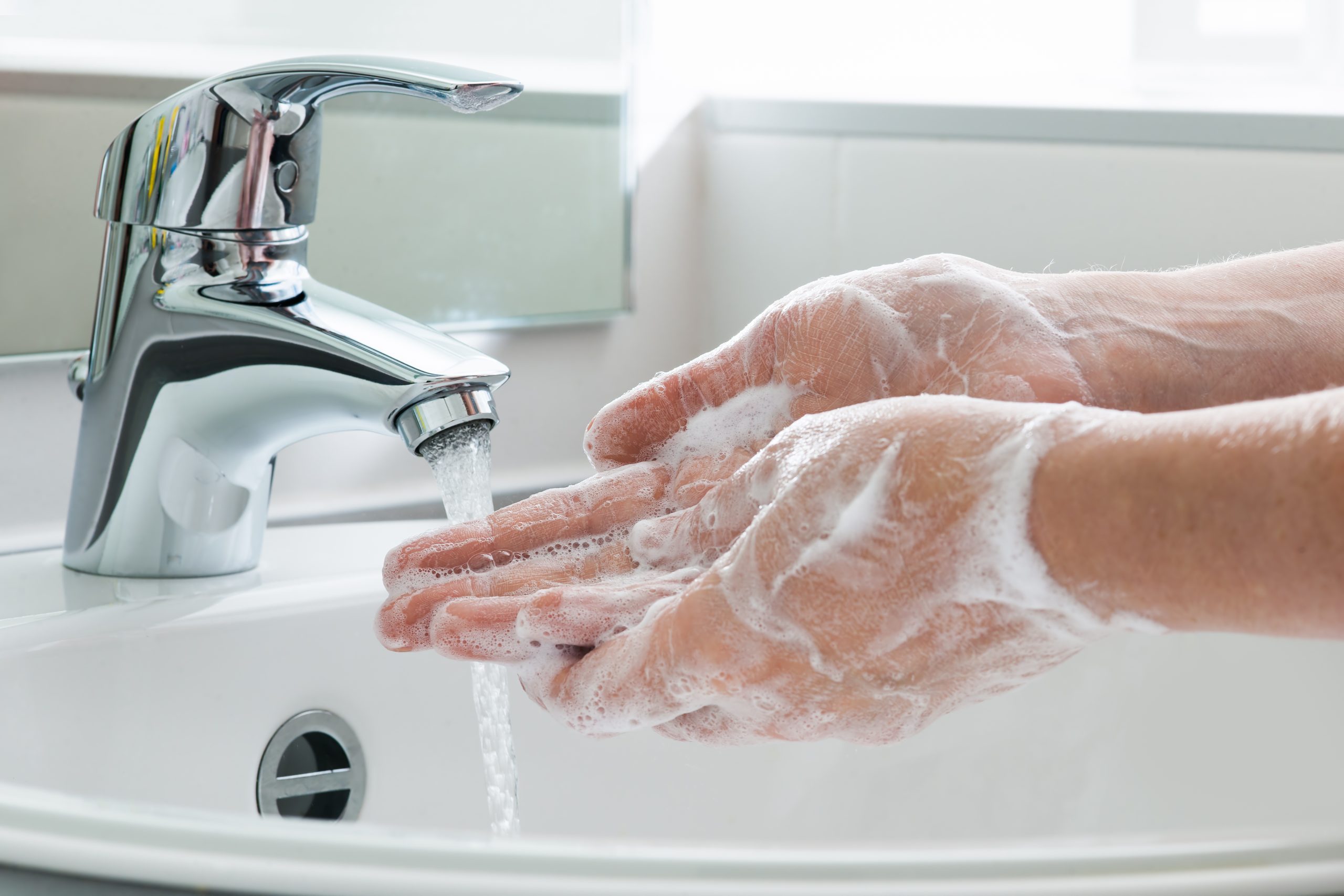
Handwashing with soap and water remains the most reliable way to remove norovirus and reduce the risk of transmission. But effective handwashing involves more than a quick rinse under the faucet.
Proper Handwashing Technique
To effectively remove pathogens, follow these steps:
- Wet your hands with clean, running water (warm or cold)
- Apply soap and lather thoroughly
- Scrub all surfaces including:
- Palms and backs of hands
- Between fingers
- Under fingernails
- Wrists
- Continue scrubbing for at least 20 seconds (about the time it takes to sing "Happy Birthday" twice)
- Rinse thoroughly under clean, running water
- Dry with a clean towel or air dry
The friction created by scrubbing is what physically removes pathogens from your skin, while soap helps lift and wash away dirt, oils, and microorganisms.
When Hand Hygiene Matters Most
Consistent hand hygiene is especially important at these critical times:
Before:
- Preparing or eating food
- Touching your face, especially eyes, nose, or mouth
- Caring for someone who is ill
- Treating wounds or handling medications
After:
- Using the restroom
- Changing diapers or assisting others with personal care
- Blowing your nose, coughing, or sneezing
- Touching commonly touched surfaces (door handles, handrails, shared equipment)
- Handling garbage or cleaning
- Being in public spaces
- Contact with animals
In long-term care settings, staff should wash hands before and after each resident interaction, even if gloves were worn.
Beyond Handwashing: Environmental Hygiene
While personal hand hygiene is crucial, it's only one component of comprehensive infection prevention. Regular cleaning and disinfecting of high-touch areas plays an equally important role.
High-Touch Surfaces to Prioritize:
- Door handles and handrails
- Light switches
- Shared equipment (walkers, wheelchairs, etc.)
- Restroom fixtures
- Dining tables and chairs
- Remote controls and call buttons
- Phones and tablets
- Countertops and shared workspaces
During periods of increased illness, these surfaces should be cleaned and disinfected more frequently—ideally multiple times per day in high-traffic areas.
Choosing the Right Disinfectant
Not all cleaning products are created equal. For norovirus, look for EPA-registered disinfectants with proven effectiveness against norovirus. Follow manufacturer instructions for:
- Proper dilution ratios
- Required contact time (how long the surface must remain wet)
- Safety precautions
Making Hand Hygiene a Habit
Knowledge alone doesn't change behavior. Creating an environment that supports consistent hand hygiene requires:
1. Accessibility
- Place handwashing stations and hand sanitizer dispensers in convenient locations
- Ensure adequate soap, paper towels, and sanitizer supplies
- Keep sinks and dispensers in good working order
2. Visual Reminders
- Post handwashing instructions in restrooms
- Use signage to remind people of critical handwashing moments
- Share educational materials about proper technique
3. Education and Training
- Provide regular training on proper hand hygiene
- Explain the "why" behind recommendations, not just the "what"
- Address misconceptions about hand sanitizer effectiveness
4. Cultural Reinforcement
- Model proper hand hygiene at all levels of leadership
- Make hand hygiene a normalized part of daily routine
- Recognize and reinforce good practices
5. Monitoring and Feedback
- Observe hand hygiene practices
- Provide constructive feedback when needed
- Track illness rates to measure effectiveness
The Bigger Picture: Infection Prevention as Part of Daily Care
When everyone understands not just what to do, but why it matters, infection prevention becomes part of daily care rather than a reactive measure. Hand hygiene isn't about creating paranoia or making care environments feel clinical—it's about demonstrating respect and care for the health and well-being of residents, staff, and visitors.
In long-term care settings, where residents may have compromised immune systems or chronic health conditions that make them more vulnerable to infection, these simple practices can have significant impact on quality of life and health outcomes.
A Commitment to Health and Safety
At Hudson Regional LTC Pharmacy, we encourage ongoing attention to hand hygiene and environmental cleaning as part of a broader commitment to health, safety, and continuity of care. These practices align with our patient-centered philosophy—prioritizing the well-being of residents through both pharmacy services and support for infection prevention efforts.
As winter continues and illness season persists, let's remember that some of our most powerful tools for protecting health are also the simplest. Proper hand hygiene costs nothing but a few minutes and a bit of attention, yet it can prevent illness, reduce healthcare costs, and improve quality of life for everyone in our care communities.
Make handwashing a priority. Make it a habit. And make it count.