
Staying Active Indoors to Support Health During Winter Months
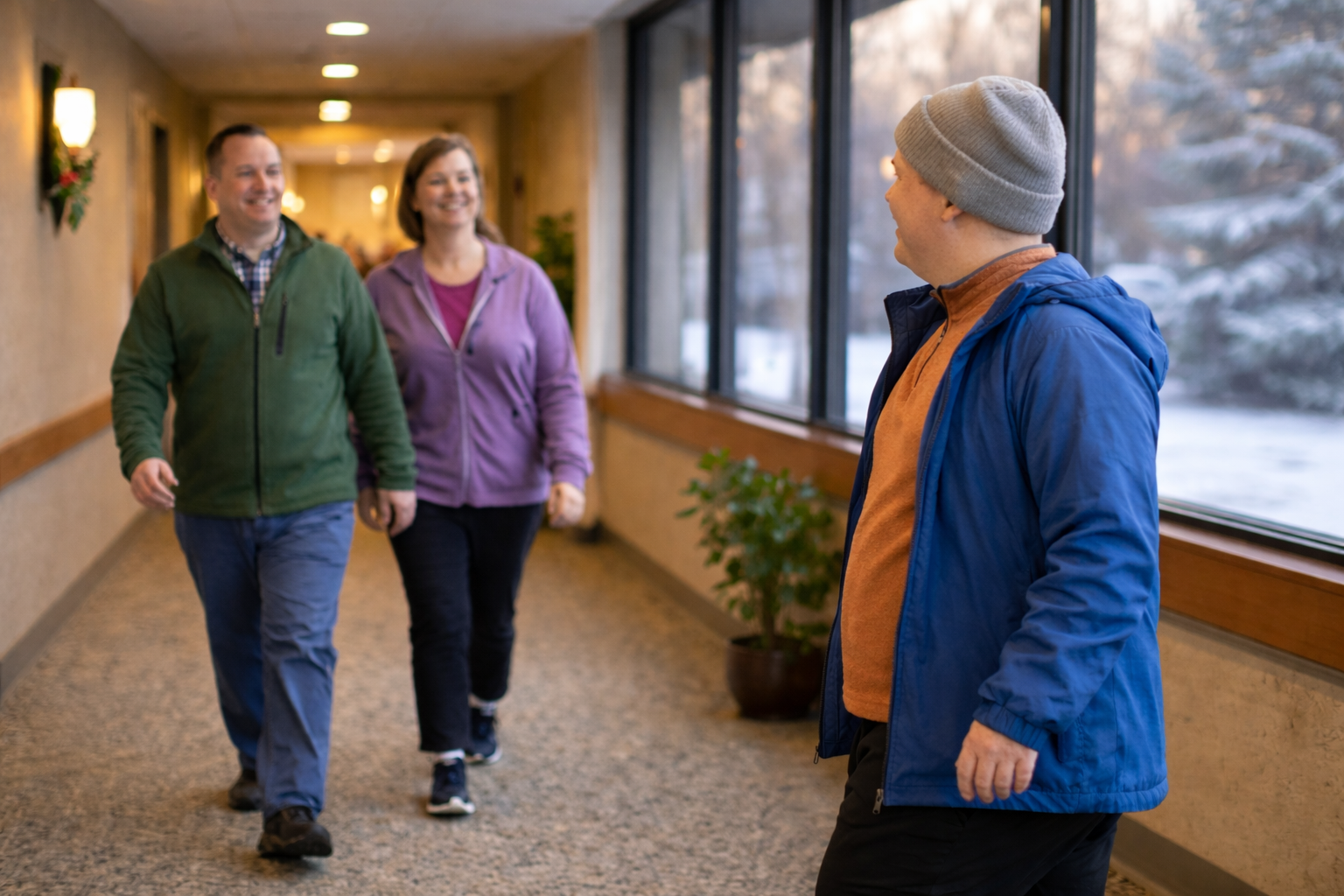
Shorter days and colder temperatures naturally lead to more time spent indoors, but extended inactivity can have an impact on both physical and emotional health. Movement supports circulation, joint mobility, digestion, and energy levels. When activity drops, stiffness, weakness, and fatigue can increase, making everyday tasks more difficult over time.
Even gentle movement makes a difference. Simple activities such as stretching, standing up and walking short distances, or doing light household tasks help keep muscles engaged and blood flowing. These small movements can reduce the risk of falls, support balance, and help maintain independence.
Fresh air and light exposure are also important. When weather permits, stepping outside briefly or sitting near an open window can provide a change of scenery and a mental reset. When going outdoors is not practical, opening curtains and blinds allows natural light into indoor spaces. Sunlight helps regulate sleep-wake cycles and can improve mood, which is especially important during darker winter months.
Daily routines that include movement, light exposure, and social interaction help create structure and stability. Whether it is a short walk down the hallway, a seated exercise session, or time spent near a sunny window, these habits support both physical comfort and emotional well-being. Maintaining these routines during winter helps residents stay engaged and better prepared for the demands of the colder season.